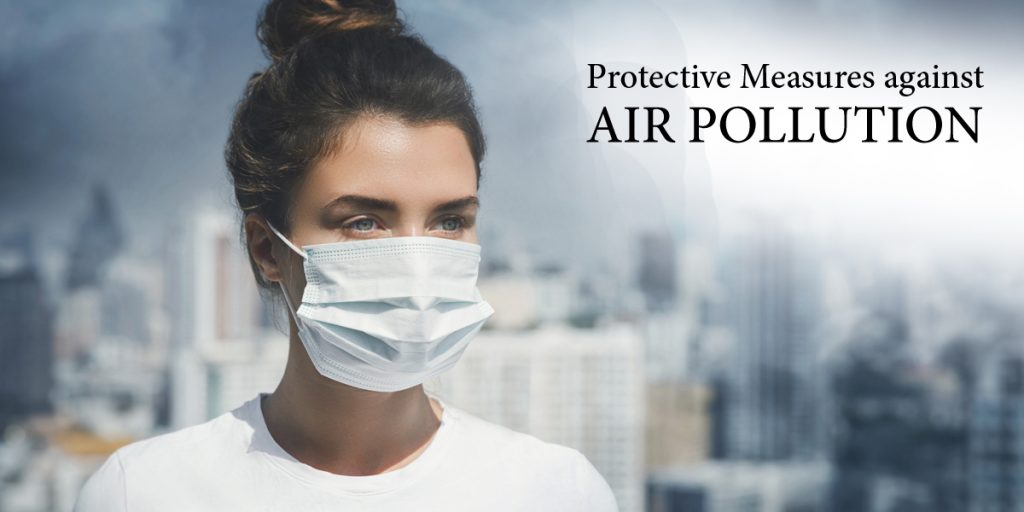
Rising air pollution has become a major public health concern, with severe consequences for both short-term and long-term well-being. Exposure to polluted air can trigger breathing problems, worsen existing illnesses, and significantly increase the risk of life-threatening diseases, particularly among vulnerable populations.
Health Risks Linked to Air Pollution
Short-term exposure to polluted air can cause immediate discomfort and illness. Common symptoms include irritation of the eyes, nose, and throat, persistent coughing, wheezing, chest tightness, headaches, and difficulty breathing. People with asthma or chronic lung disease often experience flare-ups during high pollution days.
Long-term exposure poses even greater dangers. Prolonged inhalation of fine particles can lead to chronic respiratory and cardiovascular conditions, lung cancer, stroke, heart disease, pneumonia, and premature death. Studies also link air pollution to complications during pregnancy and impaired brain development in children.
Who Is Most at Risk
Certain groups are especially vulnerable to polluted air:
- Children and infants
- Pregnant women
- Elderly individuals
- People with heart, lung, or immune-related illnesses
- These groups are advised to take extra precautions when air quality deteriorates.
- Precautions During High Pollution Levels
- During periods of severe air quality, health experts recommend minimizing exposure:
- Stay indoors with windows and doors closed, especially during morning and evening hours
- Avoid outdoor exercise, particularly strenuous activity
- Improve indoor air quality by using HEPA air purifiers or air conditioners with clean filters
- Clean smartly using wet mopping and dusting instead of dry sweeping
- Seal gaps in doors and windows to block polluted air
- Wear certified masks such as N95 or P100 when stepping outside, as cloth coverings offer little protection against fine particles
- Basic hygiene measures like washing the eyes and gargling with warm water may help relieve irritation.
Understanding AQI Levels
- Good (Green): Minimal health impact
- Moderate (Yellow): Possible discomfort for sensitive individuals
- Unhealthy for Sensitive Groups (Orange): Noticeable effects for at-risk people
- Unhealthy (Red): Health effects for the general population
- Very Unhealthy (Purple): Serious risk for everyone
- Hazardous (Maroon): Emergency conditions affecting all
Major Sources of Air PollutionAir
pollution is largely caused by vehicle emissions, construction dust, industrial activity, and the burning of biomass or solid waste.
For real-time updates and alerts, residents can monitor air quality through official Pollution Control Board websites or mobile applications such as SAFAR and SAMEER in India.