
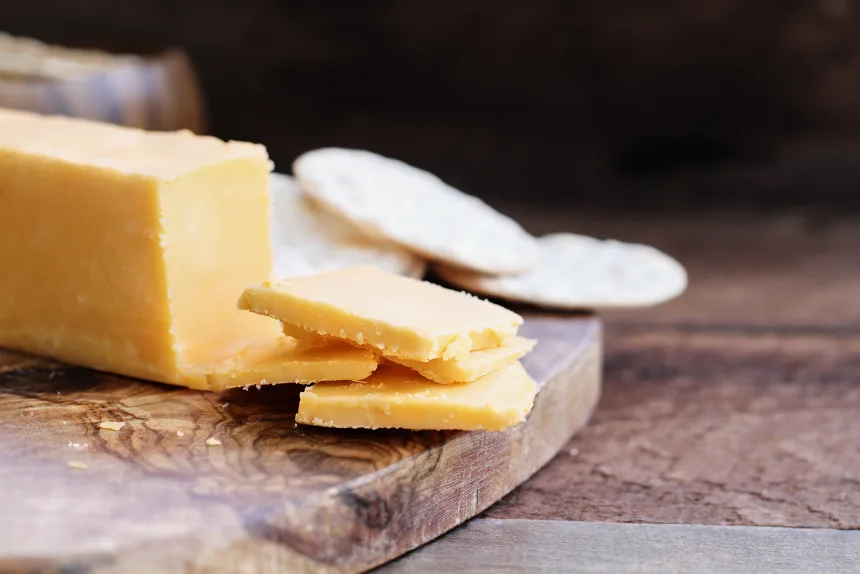
Does High-Fat Dairy Prevent Dementia? Experts Say the Evidence Is Far from Clear
A new long-term observational study from Sweden has sparked debate by suggesting that certain high-fat dairy foods, such as cheese and cream, may be linked to a slightly lower risk of dementia. However, leading nutrition and brain-health experts caution against drawing firm conclusions or changing dietary habits based on these findings alone.
What the Study Found
The research, which tracked nearly 28,000 adults in Malmö, Sweden, over a period of up to 25 years, observed that participants who regularly consumed high-fat cheese and cream appeared to have a modestly reduced risk of developing dementia later in life.
- Eating 50 grams or more of high-fat cheese daily was linked to a 13% lower dementia risk
- Consuming around 20 grams of high-fat cream daily showed a 16% lower risk
- No protective effect was seen from butter, milk, yogurt, kefir, or low-fat dairy
Researchers emphasized that these findings show an association, not a cause-and-effect relationship.
Experts Question the Strength of the Evidence
Independent experts point out several limitations. One major concern is that participants’ diets were recorded only at the beginning of the study, without consistent follow-up over the decades that followed.
When researchers analyzed a smaller group whose diets were reassessed after five years, the apparent benefits of high-fat cheese and cream disappeared, raising doubts about the reliability of the conclusions.
Cheese vs. Red Meat: A Key Comparison
Some experts argue that the observed benefit may not come from cheese itself, but from what it replaces in the diet. High-fat cheese showed the most benefit when consumed instead of processed or high-fat red meats.
This suggests that cheese may simply be a less harmful option than certain meats, rather than an inherently brain-protective food.
Saturated Fat Still a Concern
Foods rich in saturated fat, including full-fat dairy, have been consistently linked to higher risks of heart disease and early mortality. Since cardiovascular health is closely tied to brain health, increasing saturated fat intake may pose long-term risks.
The Role of Overall Health
The study also revealed that people who consumed low-fat dairy already had higher rates of chronic conditions such as diabetes and heart disease. Experts believe this may indicate that poorer overall health — not dairy choice alone — plays a larger role in dementia risk.
Omega-3s and Regional Differences
Another factor complicating the findings is geography. Dairy products in Sweden often come from grass-fed cows, which may produce milk and cheese higher in omega-3 fatty acids — nutrients known to support brain health.
Additionally, the types of cheese consumed vary by country. In Sweden, hard and fermented cheeses are common, while in the United States, cheese is more often processed or consumed with fast food.
So, Should You Eat More High-Fat Cheese?
Most experts agree the answer is no — at least not yet. While the study challenges the idea that all high-fat dairy is harmful, it does not provide enough evidence to recommend eating high-fat cheese or cream to prevent dementia.
Researchers say the findings need to be replicated in diverse populations before any dietary advice can be updated.
Bottom Line
High-fat dairy may not be as harmful to brain health as once thought, but it is not a proven strategy for dementia prevention. A balanced diet, good cardiovascular health, regular exercise, and overall healthy lifestyle choices remain the most reliable ways to protect the brain as we age.