
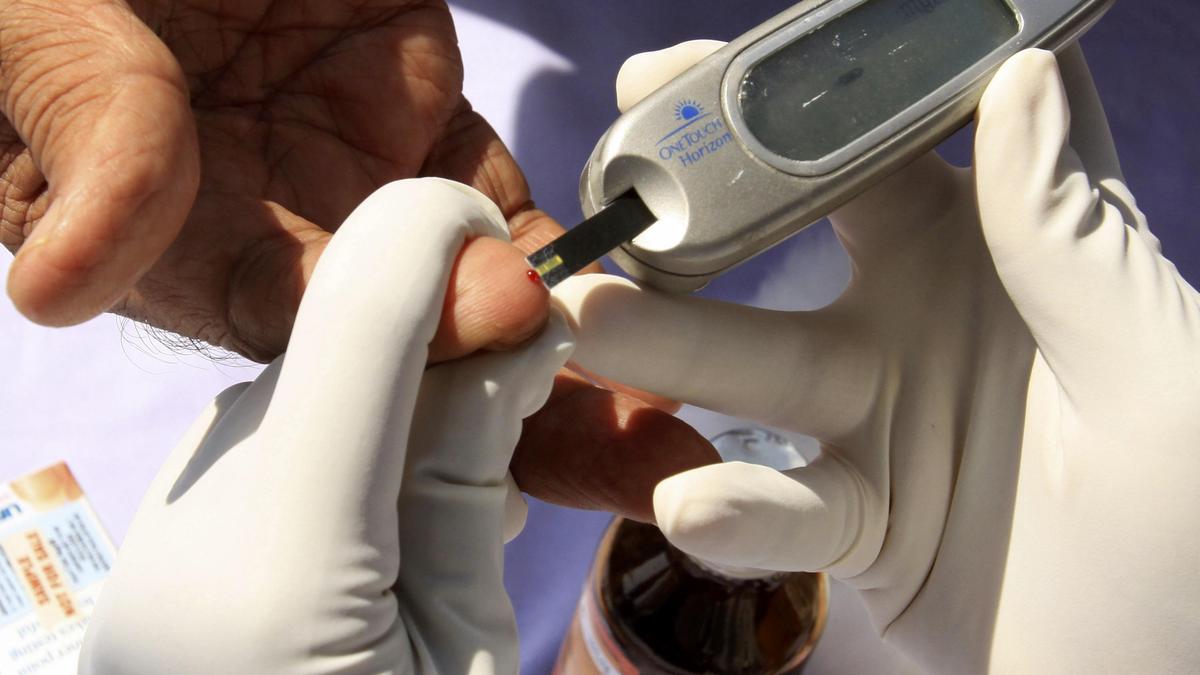
Significant Findings on Blood Glucose and Heart Disease
A recent study has highlighted the critical link between blood glucose levels and heart disease risk in individuals diagnosed with prediabetes. The research indicates that normalizing blood glucose through lifestyle modifications can lead to a substantial reduction in the risk of heart disease and associated mortality rates.
Understanding Prediabetes and Its Implications
Prediabetes is a health condition characterized by elevated blood sugar levels that are not yet high enough to be classified as diabetes. Individuals with prediabetes are at a heightened risk of developing type 2 diabetes and cardiovascular diseases. This study sheds light on the importance of managing blood glucose levels to mitigate these risks.
Key Lifestyle Changes for Blood Glucose Management
The study emphasizes that specific lifestyle changes can effectively normalize blood glucose levels. These changes include adopting a balanced diet, engaging in regular physical activity, and maintaining a healthy weight. Such modifications not only improve blood sugar control but also enhance overall cardiovascular health.
Impact on Heart Disease Risk
According to the findings, individuals with prediabetes who successfully normalize their blood glucose levels can reduce their risk of heart disease by nearly 50%. This statistic underscores the importance of proactive health management for those at risk.
Mortality Rates and Long-Term Health
In addition to reducing heart disease risk, normalizing blood glucose levels can also lead to lower mortality rates among prediabetics. The study suggests that effective management of blood sugar can contribute to a longer, healthier life, emphasizing the need for early intervention and lifestyle changes.
Recommendations for Healthcare Providers
Healthcare providers are encouraged to promote lifestyle interventions as a primary strategy for managing prediabetes. Regular screenings for blood glucose levels and personalized health plans can empower individuals to take control of their health and reduce their risk of serious complications.
Conclusion: A Call to Action for Prediabetics
This study serves as a crucial reminder of the impact of lifestyle choices on health outcomes for prediabetics. By normalizing blood glucose levels through targeted lifestyle changes, individuals can significantly lower their risk of heart disease and improve their overall well-being. It is essential for those at risk to engage in proactive health management to secure a healthier future.