UK Brings Strict Junk Food Advertising Ban Into Effect
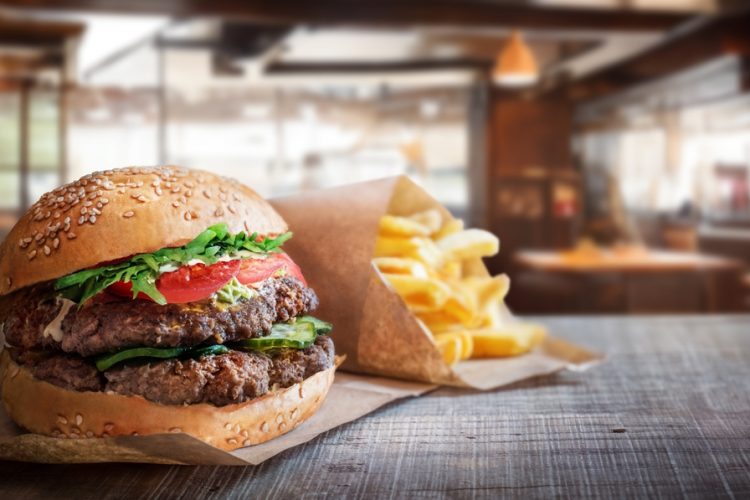
A major shift in public health policy has taken effect across the UK with the introduction of a nationwide ban on junk food advertising before 9pm on television and across online platforms. The move is designed to significantly reduce children’s exposure to marketing for foods high in fat, salt, and sugar (HFSS).
The regulations apply across all nations of the UK and represent one of the most comprehensive advertising restrictions aimed at tackling childhood obesity. Paid online advertisements for unhealthy food and drink products are now prohibited at all times.
Part of a Wider Public Health Strategy
The advertising restrictions form part of a broader package of food policy reforms introduced by the UK government. These include mandatory reporting on healthy food sales by large businesses, an expanded Soft Drinks Industry Levy, and a ban on the sale of high-caffeine energy drinks to children under the age of 16.
According to government estimates, the combined measures could remove billions of excess calories from children’s diets each year, prevent thousands of obesity cases, and generate long-term savings for the healthcare system.
Why the Ban Matters for Children
Research consistently shows that food advertising strongly influences children’s eating habits, brand preferences, and consumption patterns. In England alone, more than one in five children begin primary school with overweight or obesity, rising to over one-third by the end of primary education.
Poor diet is also linked to wider health concerns, including tooth decay, which remains a leading cause of hospital admissions among young children.
Government Response
Speaking on the introduction of the rules, Minister for Health, said the policy is about prevention rather than treatment and ensuring children have the healthiest possible start in life.
The government has stated that limiting exposure to unhealthy food advertising will help parents and children make healthier choices and reduce long-term pressure on the NHS.
Scope of the Advertising Restrictions
The ban does not only apply to traditional junk food. Some breakfast cereals, sweetened breads, ready meals, and sandwiches may also fall under the restrictions, depending on their nutritional profile.
Products are assessed using a nutrient profiling model that considers overall nutritional value alongside levels of sugar, salt, and saturated fat. Plain oats and most unsweetened porridge products remain exempt, while sweetened or chocolate-flavoured versions may be restricted.
Brands are still permitted to run generic, brand-only advertising campaigns, provided no specific unhealthy products are shown. Enforcement will be overseen by the.
Reaction From Campaigners and Young People
Health campaigners have welcomed the ban as a long-awaited step toward creating a healthier food environment. Advocacy groups say the restrictions mark real progress in protecting children from aggressive marketing practices that normalise unhealthy diets.
Youth activists have also praised the decision, describing it as a milestone moment after years of campaigning for stronger protections against junk food advertising on TV and social media platforms.
Looking Ahead
While widely welcomed, campaigners stress that the advertising ban should be seen as a starting point rather than a final solution. They are calling for continued action to ensure healthier food environments in schools, communities, and digital spaces.
The UK government has described the policy as world-leading, reinforcing its ambition to raise the healthiest generation of children while balancing public health priorities with economic growth.