
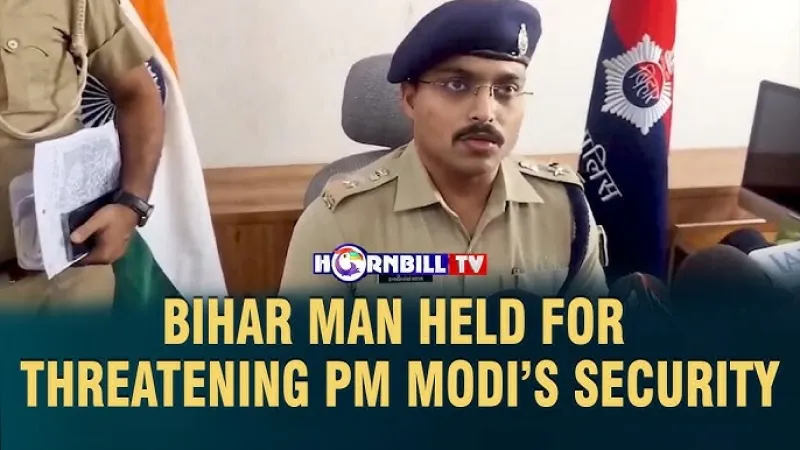
Understanding the Arrest of a Bihar Man for Threatening PM Modi
In a significant development that raises serious concerns about national security, a man from Bihar has been arrested for allegedly threatening the security of Prime Minister Narendra Modi. This incident not only highlights the ongoing challenges faced by law enforcement agencies in combating threats to high-profile individuals but also underscores the potential implications for public safety and cybersecurity in India.
The Incident: What Happened?
According to a statement released by the police, the individual in question was apprehended following an investigation that revealed his involvement in making threats against the Prime Minister. The police also recovered fake identity documents from his residence, which were reportedly being utilized for cybercrime-related activities.
Details of the Arrest
The arrest took place after a thorough investigation by local law enforcement, who had been monitoring suspicious activities linked to the suspect. The authorities acted swiftly upon gathering credible information about the threats made against PM Modi, showcasing the proactive measures taken to ensure the safety of the nation’s leader.
Cybercrime Connection
The discovery of fake identity documents is particularly alarming, as it indicates a broader scheme potentially aimed at facilitating cybercrime. The use of counterfeit documents can enable various illegal activities, including identity theft and fraud, posing a significant risk not only to individuals but also to national security.
Implications for National Security
This incident raises several critical questions regarding the security protocols in place for protecting high-ranking officials in India. The threat against PM Modi is not an isolated case but part of a larger pattern of risks faced by political leaders globally.
Potential Risks and Threats
- Increased Threat Levels: The arrest indicates a heightened level of threat against prominent figures, necessitating a review of existing security measures.
- Cybersecurity Vulnerabilities: The involvement of fake identity documents suggests vulnerabilities in cybersecurity that could be exploited by malicious actors.
- Public Safety Concerns: Such threats can instill fear among the public, leading to concerns about the overall safety of citizens in the presence of high-profile figures.
The Role of Law Enforcement
The swift action taken by the Bihar police reflects the importance of vigilance and responsiveness in law enforcement. In an era where threats can emerge from various channels, including social media and the dark web, police forces must adapt to evolving tactics used by criminals.
Strategies for Enhanced Security
- Improved Surveillance: Implementing advanced surveillance technologies can help in monitoring potential threats more effectively.
- Community Engagement: Encouraging public cooperation in reporting suspicious activities can enhance the overall security framework.
- Cybercrime Units: Establishing specialized units focused on cybercrime can help in addressing the complexities associated with digital threats.
The Broader Context of Security in India
The arrest of the Bihar man is part of a larger narrative surrounding security in India, especially in the context of political leaders. Over the years, there have been numerous instances where threats have emerged from various factions, reflecting the need for robust security measures.
Historical Perspective on Threats to Leaders
Political leaders in India have faced threats from various groups, including extremists and organized crime syndicates. The nature of these threats has evolved with advancements in technology, making it crucial for security agencies to stay ahead of potential risks.
Government Initiatives for Security Enhancement
- Policy Frameworks: The Indian government has implemented various policies aimed at enhancing the security of public figures.
- Collaboration with Intelligence Agencies: Coordinating with intelligence agencies can provide critical insights into emerging threats.
- Public Awareness Campaigns: Educating the public about recognizing and reporting threats is vital for community safety.
Conclusion: The Path Forward for National Security
The arrest of the Bihar man for threatening PM Modi underscores the ongoing challenges faced by law enforcement in ensuring the safety of political leaders. As threats continue to evolve, it is imperative for security agencies to adopt a multifaceted approach that includes enhanced surveillance, community engagement, and specialized cybercrime units. The implications of this incident extend beyond the immediate threat, highlighting the need for a comprehensive strategy to safeguard national security in an increasingly complex landscape.