From Accused to Ally: What Chhagan Bhujbal’s Case Reveals About Maharashtra’s Shifting Political Alignments
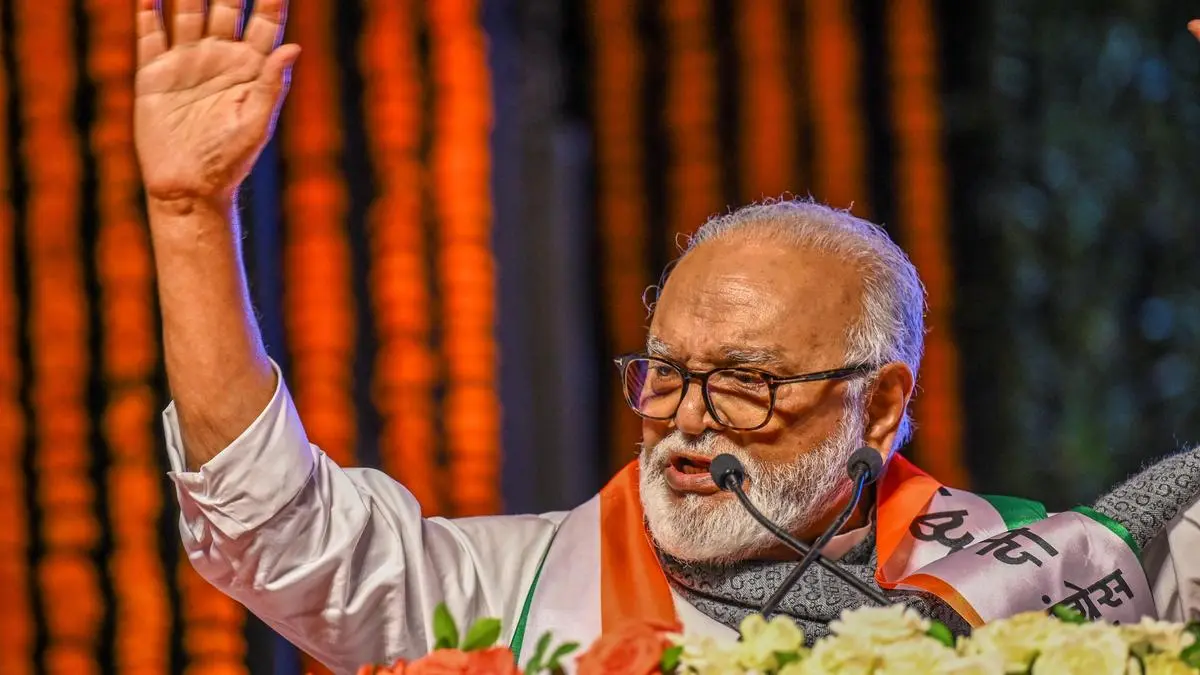
The recent discharge of Maharashtra Cabinet Minister Chhagan Bhujbal from a long-running money laundering case has once again drawn attention to the fluid and evolving nature of state politics. The decision, delivered by a special court in Mumbai on January 23, 2026, cleared Bhujbal along with his family members and dozens of others named in the Enforcement Directorate’s investigation that began nearly a decade ago.
What makes the ruling politically significant is the present alignment of power. Bhujbal, now part of the Ajit Pawar–led faction of the Nationalist Congress Party, serves in a government headed by the BJP — the same party that had earlier pressed for action against him when the probe first gathered pace.
A Case That Shaped a Decade
Bhujbal’s legal troubles began with a First Information Report filed in 2015 by Maharashtra’s Anti-Corruption Bureau. The complaint alleged irregularities in multiple public infrastructure projects, including government buildings in Mumbai and New Delhi, road transport facilities and official guest houses constructed during his tenure as Public Works Department minister between 2004 and 2008.
Investigators claimed that a private construction firm was granted major redevelopment benefits in exchange for building government facilities — a charge that Bhujbal and his associates consistently denied. The matter escalated in 2016 when the ED registered its case, leading to Bhujbal’s arrest and more than two years of incarceration before the Bombay High Court granted him bail in 2018.
The Construction Deal at the Centre
According to earlier allegations, the arrangement dated back to 2006, when the builder was executing slum rehabilitation projects in Andheri. In return for undertaking several state construction works, the firm was allegedly offered development incentives such as additional floor space index and transferable development rights, valued at nearly ₹100 crore at the time.
These transactions, cleared during a Congress–NCP government headed by then chief minister Vilasrao Deshmukh, later became the basis for corruption and money laundering charges.
Politics in Motion
With the court now discharging Bhujbal and others, the case closes a dramatic chapter that influenced electoral campaigns, coalition negotiations and public debates for years. It also underscores how rapidly political equations can change in Maharashtra, where former rivals have increasingly found themselves governing together amid realignments within major parties.
Analysts say the episode reflects a broader pattern in contemporary state politics — one in which legal battles, shifting alliances and pragmatic coalition-building frequently reshape reputations and power structures.
As Maharashtra prepares for future electoral contests, Bhujbal’s journey from a high-profile accused to a Cabinet colleague of former adversaries stands as a striking example of how dramatically the political landscape can transform.