
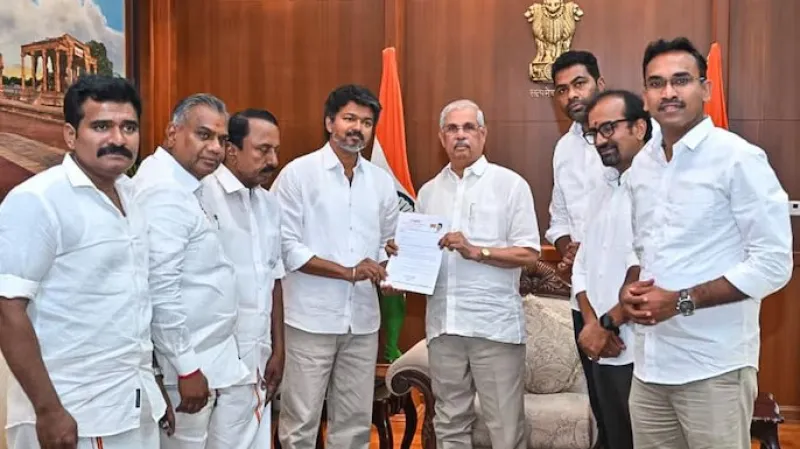
The Role of the Governor in Tamil Nadu's Political Landscape
As Tamil Nadu navigates the complexities of government formation, the role of the Governor has come under scrutiny. With the political landscape constantly evolving, understanding the Governor's responsibilities and the precedents set in previous administrations is crucial. This article delves into the intricacies of the Governor's role, the implications of seeking letters of support, and the importance of the legislative assembly in demonstrating political strength.
Governor Arlekar's Dilemma: Seeking Support and Conducting Head Counts
Governor Arlekar's actions have sparked discussions among political analysts and former officials regarding the appropriateness of seeking letters of support from political parties. While it is not uncommon for Governors to seek such letters, the practice raises questions about the legitimacy of conducting head counts outside the legislative assembly.
Understanding Letters of Support
Letters of support are formal communications from political parties indicating their backing for a particular candidate or coalition. This practice is often employed during the formation of a government, especially in situations where no party holds a clear majority.
- Legitimacy: Letters of support can provide a preliminary indication of a party's strength and alliances.
- Transparency: They can enhance transparency in the political process, allowing the Governor to gauge potential coalitions.
- Precedents: Seeking letters of support is not new; it has been a common practice in various states across India.
The Importance of the Legislative Assembly
While letters of support may offer some insight into political alignments, the true test of a government's strength lies within the legislative assembly. The floor of the House serves as the ultimate arena for parties to demonstrate their majority and secure confidence.
- Democratic Process: The assembly is where elected representatives debate and vote on key issues, ensuring that the government reflects the will of the people.
- Confidence Votes: A confidence vote is a critical mechanism for parties to affirm their majority and legitimacy in governance.
- Historical Context: Previous instances in Tamil Nadu's political history highlight the significance of assembly votes in determining the fate of governments.
Precedents in Tamil Nadu's Political History
Tamil Nadu's political history is rich with examples of how Governors have navigated government formation. Understanding these precedents can provide valuable insights into the current situation.
Key Historical Instances
Several notable instances illustrate the evolving role of the Governor in Tamil Nadu:
- 1996 Assembly Elections: Following a fractured mandate, the Governor sought letters of support from various parties, leading to the formation of a coalition government.
- 2001 Political Crisis: The Governor played a pivotal role during a political crisis, emphasizing the need for a confidence vote in the assembly.
- 2017 Political Turmoil: The Governor's intervention during a leadership change showcased the delicate balance of power between the Governor and the elected government.
The Current Political Climate in Tamil Nadu
The political climate in Tamil Nadu is characterized by a dynamic interplay of various parties, alliances, and voter sentiments. As the state prepares for potential government formation, several factors will influence the Governor's decisions.
Key Factors Influencing Government Formation
- Party Alliances: The strength of alliances among political parties will play a crucial role in determining the viability of a government.
- Public Sentiment: Voter preferences and public opinion will significantly impact the legitimacy of any government formed.
- Legal Framework: The constitutional provisions governing the Governor's role will guide the decision-making process.
Conclusion: The Path Forward for Tamil Nadu's Governance
As Tamil Nadu stands at a crossroads in its political journey, the role of the Governor remains pivotal. While seeking letters of support may provide preliminary insights into party alignments, the true measure of a government's strength will always be found within the legislative assembly. The historical precedents set in Tamil Nadu's political landscape serve as a reminder of the delicate balance between the Governor's authority and the democratic process. Ultimately, the path forward will depend on the ability of political parties to unite and demonstrate their strength in the assembly, ensuring that the governance of Tamil Nadu remains rooted in the will of the people.