
US-Iran Diplomatic Engagement: A New Chapter in Middle Eastern Relations
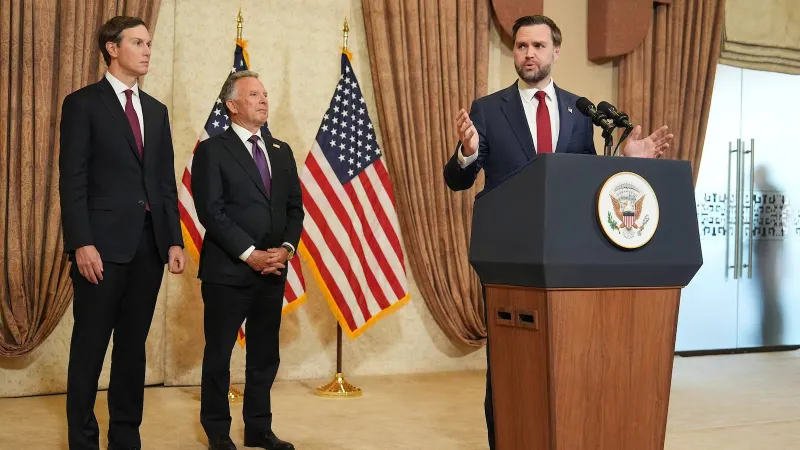
In a significant diplomatic move, Iran's Parliament Speaker, Mohammad Bagher Ghalibaf, has arrived in Islamabad to engage in peace talks with representatives from the United States. This meeting marks a crucial step in addressing the ongoing tensions in the Middle East, particularly between the US and Iran. The presence of JD Vance, a notable US political figure, en route to Islamabad adds weight to this diplomatic endeavor, signaling a potential shift in the geopolitical landscape.
Background: The US-Iran Relations and Regional Dynamics
The relationship between the United States and Iran has been fraught with tension for decades, characterized by a series of conflicts, sanctions, and diplomatic breakdowns. The nuclear deal, formally known as the Joint Comprehensive Plan of Action (JCPOA), initially signed in 2015, aimed to curb Iran's nuclear ambitions in exchange for sanctions relief. However, the US withdrawal from the agreement in 2018 under the Trump administration exacerbated hostilities, leading to increased military confrontations and a deteriorating diplomatic environment.
In recent years, the geopolitical landscape has evolved, with various actors vying for influence in the region. The rise of Iran's regional power, its involvement in proxy conflicts, and its nuclear program have raised alarms in Washington and its allies, prompting a reevaluation of strategies towards Tehran. The current peace talks in Islamabad could signify a turning point in this long-standing conflict.
Key Objectives of the Islamabad Peace Talks
The peace talks in Islamabad aim to address several critical issues that have strained US-Iran relations. The discussions are expected to focus on:
- Nuclear Program: Addressing Iran's nuclear ambitions remains a top priority for the US. Ensuring compliance with international agreements and preventing nuclear proliferation are central to the negotiations.
- Regional Stability: The talks will likely explore ways to enhance stability in the Middle East, particularly in conflict zones where Iranian influence is prominent, such as Syria and Iraq.
- Sanctions Relief: The issue of economic sanctions imposed on Iran will be a contentious point. The US may consider easing some sanctions in exchange for concessions from Iran.
- Human Rights Concerns: Human rights issues in Iran, including the treatment of dissidents and freedom of expression, may also be on the agenda, reflecting the US's broader commitment to human rights advocacy.
The Role of Islamabad as a Diplomatic Hub
Islamabad's role as a host for these critical talks underscores its strategic position in regional diplomacy. Pakistan has historically maintained a balanced relationship with both the US and Iran, making it a suitable venue for negotiations. The Pakistani government has expressed its willingness to facilitate dialogue aimed at peace and stability in the region.
Furthermore, Islamabad's involvement in these talks could enhance its standing in international diplomacy, showcasing its capability to mediate complex geopolitical issues. This development may also lead to improved relations with both the US and Iran, potentially benefiting Pakistan economically and politically.
Implications of the Peace Talks for Regional and Global Politics
The outcome of the Islamabad peace talks could have far-reaching implications for both regional and global politics. A successful dialogue may pave the way for:
- De-escalation of Tensions: If both parties can reach a consensus, it could lead to a significant reduction in military confrontations and a more stable Middle East.
- Revival of the JCPOA: Progress in negotiations may revive discussions around the nuclear deal, fostering a renewed commitment to non-proliferation and diplomatic engagement.
- Broader Coalition Building: A successful outcome could encourage other nations to engage in similar dialogues, promoting a culture of diplomacy over conflict in international relations.
- Economic Opportunities: Easing tensions could lead to increased trade and investment opportunities in the region, benefiting not only Iran and the US but also neighboring countries.
Challenges Ahead: Navigating Complex Interests
Despite the potential benefits, the peace talks face significant challenges. The historical mistrust between the US and Iran, coupled with domestic political pressures in both countries, may hinder progress. Additionally, regional actors, including Israel and Saudi Arabia, may view these negotiations with skepticism, fearing that a rapprochement between the US and Iran could undermine their security interests.
Moreover, the internal political dynamics within Iran, particularly with hardline factions opposing any form of engagement with the US, could complicate the negotiations. The US must also navigate its own political landscape, where bipartisan support for a tough stance on Iran remains strong.
Conclusion: A Pivotal Moment in US-Iran Relations
The arrival of Mohammad Bagher Ghalibaf in Islamabad for peace talks with the US represents a pivotal moment in the complex tapestry of US-Iran relations. As both sides embark on this diplomatic journey, the world watches closely, hoping for a breakthrough that could reshape the future of the Middle East. The implications of these talks extend beyond the immediate parties, influencing global security, economic stability, and the broader pursuit of peace in a region long plagued by conflict.