VB–G RAM G Act and the Shift in India’s Rural Employment Framework
The Union government’s decision to replace the Mahatma Gandhi National Rural Employment Guarantee Act (MGNREGA) with the newly enacted Viksit Bharat – Guarantee for Rozgar and Ajeevika Mission (Gramin) Act, 2025, has sparked widespread political and policy debate. The move represents more than a symbolic renaming — it signals a fundamental shift in how rural employment and livelihoods will be governed in India.
MGNREGA, introduced in 2005, was built around a demand-driven model that legally guaranteed rural households up to 100 days of wage employment each year. The new legislation departs from this framework, replacing the rights-based structure with a centrally designed mission approach that critics say weakens workers’ entitlements.
From Rights-Based Law to Programmatic Control
While the government maintains that the VB–G RAM G Act aims to improve efficiency and align rural employment with broader development goals, opposition parties argue that it dilutes the core promise of guaranteed work. The removal of MGNREGA’s legal mandate, they say, effectively shifts rural livelihoods from a constitutional-style right to a policy-dependent benefit.
The change has also triggered concerns among State governments. Under the earlier framework, the Centre shared financial responsibility and ensured predictable funding. The new law, however, is expected to increase the fiscal burden on States, potentially affecting implementation and wage payments.
Political and Social Implications
The timing and manner of the legislation’s passage have added to the controversy. The bill was introduced and cleared during the short Winter Session of Parliament, leaving limited room for debate. Opposition leaders have accused the government of undermining parliamentary scrutiny and weakening one of India’s most impactful welfare laws.
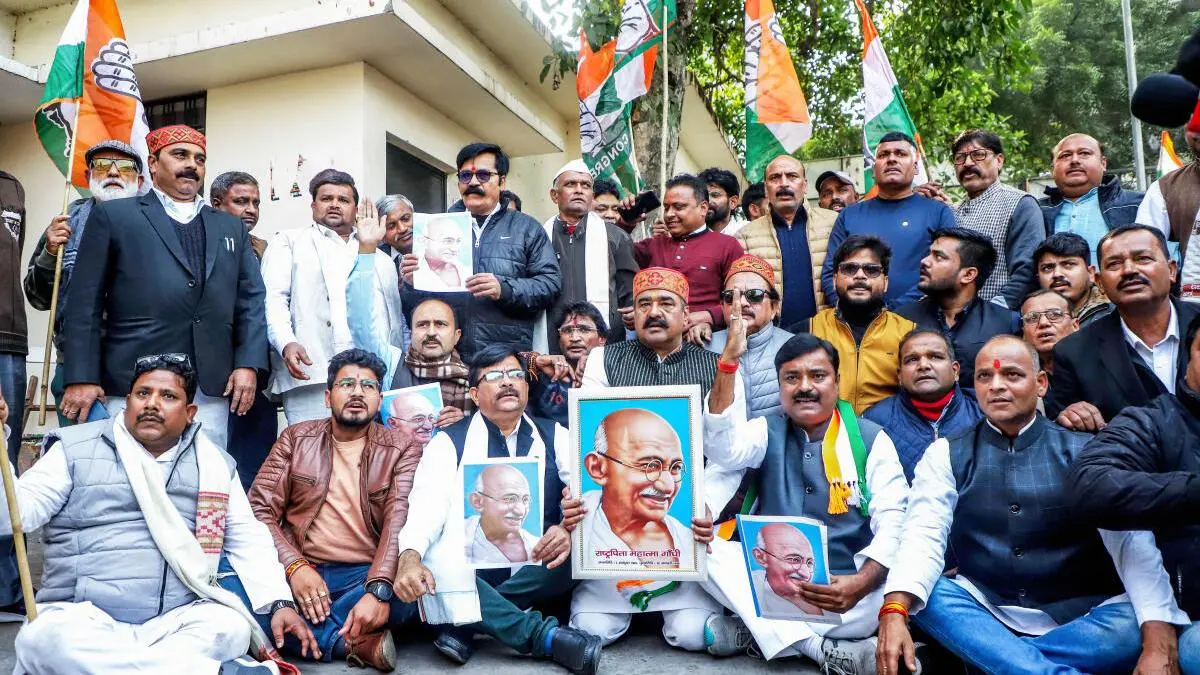
Public demonstrations have followed in several regions, with protestors arguing that the move threatens rural job security and erodes a safety net relied upon by millions of households during economic distress.
A Turning Point for Rural Policy
With the VB–G RAM G Act now in force, India’s rural employment policy enters a new phase. Whether the law delivers better outcomes or deepens rural vulnerability will depend largely on funding commitments, implementation transparency, and coordination between the Centre and the States.
What remains clear is that the replacement of MGNREGA marks a decisive break from the past — one that reshapes the relationship between the government and rural workers across the country.