
Understanding Early Gastric Cancer
Early gastric cancer refers to stomach adenocarcinoma that is confined to the inner layers of the stomach. When detected at this stage, the prognosis is highly favorable, with five-year survival rates approaching 95%. Because symptoms are often subtle or absent, early diagnosis plays a decisive role in patient outcomes.
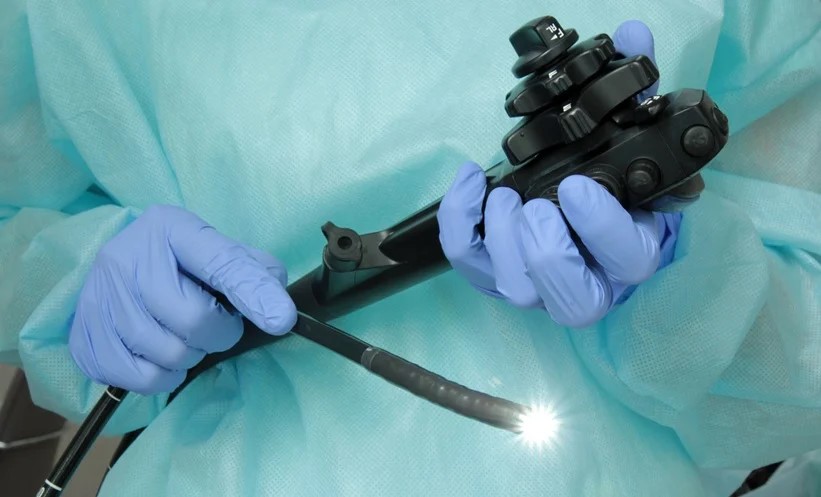
Upper gastrointestinal endoscopy remains the gold standard for diagnosing EGC. Among available techniques, white-light endoscopy (WLE) is most commonly used due to its accessibility and practicality. Population-based screening with upper GI endoscopy has been shown to reduce gastric cancer–related mortality by nearly half.
Limits of Human Detection
Despite its effectiveness, accurate detection of early gastric cancer using endoscopy depends heavily on the skill and experience of the endoscopist. Subtle lesions can be difficult to identify, leading to variability in diagnostic accuracy across clinicians and healthcare settings.
How Deep Learning Models Performed
Researchers reviewed 15 studies published between 2018 and 2025, analyzing more than 37,000 white-light endoscopy images used for internal validation. In this dataset, deep learning algorithms correctly identified 91% of patients with early gastric cancer and accurately excluded 93% of those without the disease.
External validation data from four additional studies, comprising over 3,500 images, showed slightly lower but still strong results. AI models detected 82% of EGC cases and correctly ruled out 83% of non-cancer cases.
Statistical analysis found no meaningful difference in sensitivity or specificity between AI systems and expert endoscopists, suggesting that AI can match human expertise under controlled conditions.
Challenges in Real-Time Endoscopy
All studies included in the analysis relied on retrospective image datasets, introducing potential selection and spectrum bias. As a result, the reported accuracy may reflect ideal conditions rather than everyday clinical reality.
Real-time endoscopy presents additional challenges such as motion blur, inconsistent lighting, mucus, bleeding, and variable image quality. Moreover, definitions of early gastric cancer varied across studies, adding another layer of complexity when interpreting results.
Implications for Future Clinical Practice
Overall, the findings indicate that deep learning algorithms demonstrate excellent diagnostic capability for early gastric cancer when analyzing high-quality endoscopic images. However, researchers caution that AI performance in real-world clinical environments may be lower than in controlled research settings.
Even so, AI holds strong potential as a clinical decision-support tool. When integrated into routine endoscopy, it could assist clinicians by highlighting suspicious areas, reducing missed lesions, and improving consistency in diagnosis.
Conclusion
While artificial intelligence is unlikely to replace clinicians, evidence suggests it can effectively complement human expertise in detecting early gastric cancer. With further validation in real-time clinical workflows, AI-assisted endoscopy could play a key role in improving early cancer detection and patient outcomes.